
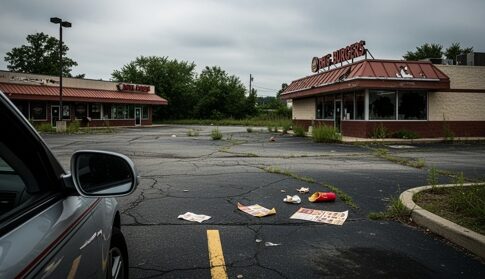
Hundreds of beloved American restaurant chains are shuttering locations in 2026, exposing the lingering damage from Biden-era inflation and economic mismanagement now being painfully corrected under President Trump’s pro-growth policies.
Chains Targeted for Major Closures
Wendy’s Interim CEO Ken Cook announced 200-350 closures through 2026, representing a mid-single-digit percentage of its roughly 6,000 U.S. sites. The moves aim to strengthen the overall system by eliminating underperformers. Franchisees will shoulder most impacts during this strategic review. Pizza Hut, under Yum! Brands, plans 250 U.S. closures in the first half of 2026 to bolster brand strength across its 20,000 global locations. Jack in the Box targets 150-200 total closures, including 80-120 by end-2025 plus more in 2026, while divesting Del Taco to cut debt through its “Jack on Track” initiative.
Ongoing Developments and Recent Shutdowns
Denny’s continues shuttering after over 100 locations closed in 2025, with more planned post-privatization by targeting low-EBITDA stores in places like Michigan and Texas. Noodles & Company plans 30-35 additional closures following 42 in 2025 to refocus on high performers. Landry’s closed Joe’s Crab Shack in Jacksonville Beach, Florida, early 2026, replacing it with Bubba Gump and leaving just 14 sites amid speculation of further cuts. Bloomin’ Brands non-renews 21-22 leases through 2030 for efficiency at brands like Outback.
Roots in Biden-Era Economic Pressures
Casual dining expanded rapidly from the 1980s to 2000s but crumbled post-2020 due to inflation, labor shortages, remote work slashing lunch traffic, and shifts to fast-casual options. Annual industry churn of 1-2% at one million U.S. locations spiked in 2024-2025, with Denny’s bottom-quintile stores averaging $1.1 million in annual unit volume versus $2.9 million at top sites. Precedents include Red Lobster’s 2024 wave and 2010s bankruptcies like Sbarro. Trump’s policies now enable leaner operations free from prior fiscal excess.
Early 2026 saw Cheesecake Factory close three sites in Maryland, D.C., and Texas on January 24; Red Robin in Illinois, New Jersey, and California; ARC/Hardee’s over 77 in eight states; and Salad and Go exit all Texas and Oklahoma locations by January 11.
Chain restaurants are closing hundreds of locations across the US in 2026. See the list. https://t.co/tAd4wUmjWY
— BargainBest777 (@nataliecorri) March 4, 2026
Impacts and Expert Views on Recovery
Short-term effects include hundreds of job losses per chain, such as at Pizza Hut’s 250 sites, plus localized hits to communities like Folsom, California’s shopping center losing Red Robin. Consumers shift to surviving spots or delivery as habits change. Long-term, chains slim down for consolidation, potentially raising prices but fostering sustainability. Mizuho analyst Nick Setyan describes Jack in the Box as in “survival mode,” refocusing on basics post-debt. Restaurant Dive notes Denny’s closures justify lean operations given wide EBITDA gaps from $25,000 to $350,000.
Company leaders frame moves positively: Noodles eyes its “strongest position for growth,” Wendy’s seeks a “strengthened system.” QSR Magazine highlights Salad and Go’s HQ relocation aiding core markets. These optimizations signal post-inflation rebound under President Trump’s America First economy, prioritizing efficiency over big-government waste.
Sources:
Mashed: Restaurant Chains Closing Locations in 2026
TheStreet: 2026 Closures – 4 Chains Shutter Hundreds of Restaurants Nationwide
Economic Times: These 800 Stores Are Closing Across the US in 2026
It most likely is where you live. My nearby cities to the east started closing restaurants and stores during COVID and it never stopped. But I seriously think the people running the cities never did anything to help stopping the dying. To our west, a 45 minute drive has booming restaurants and stores. The areas board meetings are hot making sure a place closes down for whatever reason gets replaced by another business into the closed store. The hunt for replacements always starts with a rumor some place is closing and the committees start working. The difference of all three cities is so noticeable. A major bank moved out of the biggest city and not one phone call was made to find out if the city could help them stay. The board meetings don’t even talk about the dying cities, it’s all about helping the people with getting into govt controlled housing rents which leads to private owners stop renting. There’s no trying to replace the lower income jobs like restaurants, stores etc. where the poor used to enter the middle class to start to climb the ladder to not needing govt controlled housing rents, etc. because they have a job where they can own their own home which adds to the continuing cycle of job, home owning and money to spend in stores and restaurants. This is in NY and so far the republicans in the city I live on the border line is keeping my city the place to live in. The democrats are bringing in foreigners in their cities because foreigners are the perfect replacements for us born, raised and still in NY citizens which we hear about us being replaced on the news every day.