
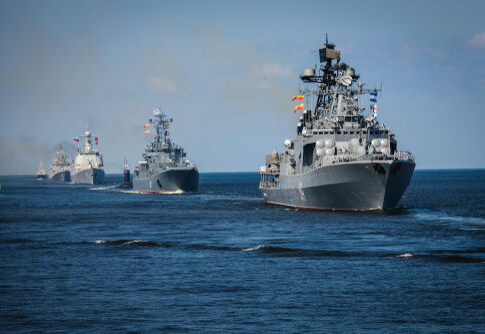
As Iran tensions rise, European leaders again refuse vital naval help, testing NATO unity and Trump’s leverage.
Story Highlights
- Trump presses Europe to secure Hormuz; key capitals say no [2].
- Rutte touts “wide backing,” but specifics on ships and bases lag [3].
- White House weighs shifting troops to nations that step up [5].
- Legal, political limits complicate any talk of leaving NATO [4].
Rutte’s White House Visit Comes Amid Real Gaps on Military Help
President Donald Trump met NATO Secretary General Mark Rutte at the White House as war-and-peace talks over Iran continue. The meeting follows months of public friction over military burden sharing. Trump has asked allies to send ships, open bases, and back U.S. operations. Several governments urged de-escalation instead. The result is a gap between U.S. requests and European actions. Rutte says allies provide critical support. Trump’s team points to key refusals that matter on the battlefield and to energy security [3].
The most urgent flashpoint is the Strait of Hormuz. The United States asked partners to deploy naval vessels to safeguard tankers and deter attacks. Germany’s foreign minister said there would be no military involvement. Italy stated it would not change its mission mandate to include Hormuz escorts. France floated help later, after the “most intense” phase. A European official said countries might assist with demining if tensions drop. These answers fall short of what Washington sought now [2].
What Europe Is Doing — And What It Is Not
Some European leaders claim they are helping in other ways, from logistics to deterrence. Rutte has promoted the idea of broad allied backing. But he has not matched that claim with clear numbers on ships, base access, or escort missions tied directly to Hormuz. In public reporting, Spain refused use of its bases for offensive operations. Other allies offered limited steps while warning against escalation. These choices leave the United States bearing most high-risk tasks around key sea lanes [1].
The difference between statements and actions is why the White House is reviewing force posture. Officials are considering moving U.S. troops out of nations that held back during the Iran fight and into countries that pulled their weight. This step is short of quitting NATO and fits within the president’s authority to reposition forces. It is also a message to allies: commitments should be real and timely in areas that matter to U.S. security and energy markets [5].
NATO Stakes: Law, Leverage, and the Energy Chokepoint
Allies say they want to avoid being drawn into a wider war. European leaders also argue the conflict is unpopular at home. Those arguments do not change the risk at Hormuz. Oil and global shipping depend on predictable security in that strait. Delays or hedging invite attacks and higher costs for families at the pump. If Europe wants stability and lower energy prices, it must help hold the line where it counts, not just issue statements from Brussels and Paris about future options [2].
Trump has warned he could pull the United States from the alliance if partners refuse to act. Law and policy limit that move. A 2023 provision says the president cannot withdraw without Congress. North Atlantic Treaty rules also require specific notice steps. That does not end the debate. It means leverage will likely come through basing, troop moves, and cost-sharing demands rather than a formal exit. The message is clear: pay up, show up, or lose U.S. presence and protection [4].
What Today’s Meeting Needs to Deliver
Rutte’s task is to convert broad words into hard pledges with dates and assets. Washington needs specific commitments on maritime security, including escort rotations, demining timelines, and air defense coverage for coalition forces. Europe can choose clear deliverables without joining offensive strikes. A steady schedule of allied ships through Hormuz would calm markets and deter attacks. Without that, Iran and its proxies will test gaps and raise the cost for everyone who relies on free seas [2].
Rutte Tries to Hold NATO Together—
Mark Rutte’s White House visit on Wednesday is damage control before NATO’s July summit in Ankara, with Trump furious over Europe’s reluctance to support the Iran campaign and Washington reviewing whether to reduce US forces on the continent.… pic.twitter.com/dH1kQA03Uv
— JP Lindsley | Journalist (@JPLindsley) June 24, 2026
For American readers, this is about fairness and security. The United States has carried too much weight for too long. Our troops should not protect allies who choose press releases over patrols. The administration’s consideration of troop shifts is a measured way to reward real partners and nudge laggards. If Europe wants American power in its corner, it should match words with action where the stakes are highest: on the water, where freedom of navigation either stands firm or fails [5].
Sources:
[1] YouTube – Live: Donald Trump, NATO’s Mark Rutte hold meeting at White House amid …
[2] Web – Trump lashes out at Europe as growing number of allies reject US …
[3] Web – European leaders rebuff Trump’s call to open Strait of Hormuz
[4] Web – Trump criticizes European allies about the Iran war | AP News
[5] YouTube – Trump threatens to pull US out of NATO over lack of support from …