
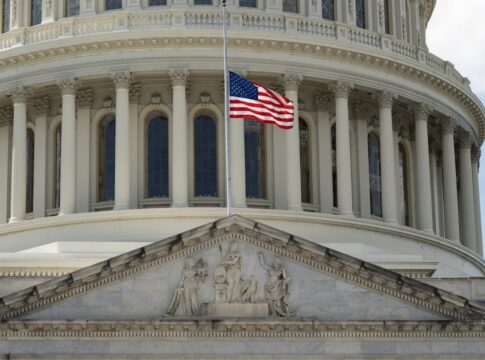
Landmark Environmental Legislation Passes: A New Era for Climate Action
In a historic move that signals a significant shift in environmental policy, comprehensive climate legislation has successfully passed through the legislative process, marking one of the most ambitious environmental reforms in recent history. The landmark bill represents years of negotiation, scientific consultation, and political compromise, bringing together diverse stakeholders in an unprecedented effort to address the mounting challenges of climate change and environmental degradation.
Overview of the Legislation
The newly passed environmental legislation encompasses a wide-ranging set of provisions designed to reduce carbon emissions, protect natural ecosystems, and transition toward a sustainable economy. This comprehensive approach addresses multiple facets of environmental protection, from renewable energy development to conservation efforts, establishing a framework that will guide environmental policy for decades to come.
At its core, the legislation sets binding targets for emissions reductions, mandating significant decreases in greenhouse gas output across multiple sectors of the economy. These targets align with international climate commitments and scientific recommendations for limiting global temperature rise. The bill establishes clear timelines and accountability measures to ensure progress toward these goals, with regular review periods and adjustment mechanisms built into the framework.
Key Provisions and Components
The legislation contains several major components that work together to create a comprehensive environmental protection system:
- Renewable Energy Investment: Substantial funding allocated for the development and deployment of clean energy technologies, including solar, wind, and emerging renewable sources
- Carbon Pricing Mechanisms: Implementation of market-based systems to incentivize emissions reductions across industries
- Conservation and Restoration: Protected status for critical ecosystems and funding for habitat restoration projects
- Clean Transportation: Incentives for electric vehicle adoption and investment in sustainable transportation infrastructure
- Industrial Emissions Standards: Strengthened regulations governing emissions from manufacturing and heavy industry
- Green Jobs Program: Training and transition support for workers moving from traditional energy sectors to renewable industries
Economic Implications and Investment
The legislation allocates significant financial resources toward environmental protection and clean energy development. This investment represents not only a commitment to environmental stewardship but also an economic strategy aimed at positioning the economy competitively in the growing global green technology sector. Economists project that the bill will catalyze private sector investment, potentially multiplying the direct government expenditure several times over through market mechanisms and business confidence.
The funding structure includes both direct appropriations and innovative financing mechanisms such as green bonds and public-private partnerships. These financial tools are designed to leverage government investment to attract additional capital from institutional investors and private enterprises. The legislation also establishes tax incentives for businesses that exceed environmental standards or invest in clean technology research and development.
Industry Response and Adaptation
The passage of this legislation has prompted varied responses from different sectors of the economy. Energy companies are already announcing plans to accelerate their transition strategies, with several major utilities committing to expedited timelines for renewable energy deployment. The automotive industry has signaled its readiness to expand electric vehicle production, citing the policy certainty provided by the new law as crucial for long-term planning.
Manufacturing sectors facing stricter emissions standards have expressed concerns about compliance costs but acknowledge the legislation provides transition periods and support mechanisms. Industry associations are now focusing on implementation details and working with regulators to develop practical pathways for meeting new requirements. Many businesses recognize that early adaptation may provide competitive advantages as global markets increasingly favor sustainable practices.
Environmental and Scientific Community Reaction
Environmental organizations and scientific institutions have largely welcomed the legislation as a significant step forward, though some argue that even more aggressive action is necessary to address the climate crisis adequately. Research institutions have praised the bill’s evidence-based approach and its incorporation of peer-reviewed scientific findings into policy targets.
Conservation groups particularly applaud the habitat protection provisions, which designate new protected areas and establish corridors for wildlife migration. These measures address biodiversity loss alongside climate change, recognizing the interconnected nature of environmental challenges. Scientists emphasize that the monitoring and reporting requirements included in the legislation will provide valuable data for assessing progress and refining strategies.
International Context and Global Impact
The passage of this legislation occurs within a broader international context of climate action. Nations worldwide are grappling with similar challenges and developing their own responses to environmental threats. This legislation positions its enacting country as a leader in climate policy, potentially influencing approaches adopted by other nations and contributing to global momentum for environmental protection.
International climate negotiators view this development as strengthening collective efforts to meet global climate targets. The legislation demonstrates that comprehensive environmental reform can navigate complex political processes, providing a potential model for other countries considering similar measures. Trade partners and international organizations have expressed interest in collaboration opportunities arising from the new framework.
Implementation Timeline and Future Outlook
The legislation establishes a phased implementation approach, with initial measures taking effect immediately and more complex provisions rolling out over several years. Regulatory agencies are tasked with developing detailed rules and guidance documents to operationalize the law’s provisions. Public comment periods and stakeholder consultations are built into the implementation process to ensure practical and effective application.
Looking forward, the success of this legislation will depend on sustained political will, adequate funding, technological innovation, and public engagement. The framework includes review mechanisms that allow for adjustments based on scientific developments and practical experience. As implementation proceeds, ongoing assessment will be crucial for understanding impacts and refining approaches to maximize environmental benefits while supporting economic vitality.
This landmark legislation represents a defining moment in environmental policy, establishing a comprehensive framework for addressing climate change and protecting natural resources. Its passage marks not an endpoint but the beginning of a transformative journey toward environmental sustainability and a cleaner future.