
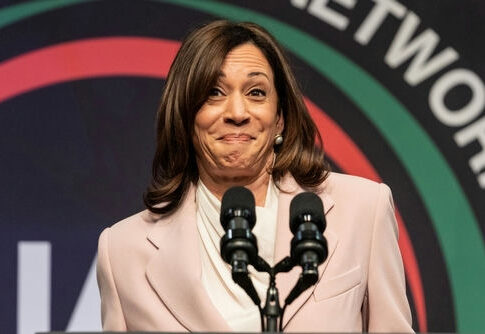
Los Angeles residents are seeing elite crime-fighting officers pulled from the streets to guard Kamala Harris after her federal security was revoked—a move raising serious questions about priorities and public safety.
Elite Crime-Fighting Officers Reassigned from Public Safety
In September 2025, Los Angeles Police Department’s Metro Division—an elite crime suppression unit—was redirected from its primary mission to provide personal security for former Vice President Kamala Harris. The change followed the Trump administration’s move to revoke Harris’s Secret Service detail, aligning with the standard federal protocol that ends such protection six months post-office unless extended by executive order. This reversal of the Biden administration’s prior extension has left local law enforcement responsible for a task usually handled by federal agents, raising alarms among residents and law enforcement experts about the impact on crime-fighting capacity.
The Metro Division has long played a crucial role in rapid response and high-risk operations across Los Angeles, a city already grappling with persistent crime. Officers typically focus on suppressing violent crime and supporting major investigations. Their redeployment to Harris’s detail means fewer boots on the ground for public safety, potentially slower response times, and reduced capacity for ongoing casework. Community leaders and law enforcement professionals have expressed concern that the shift undermines the division’s core mission at a time when every resource is needed to address rising crime rates and maintain order in neighborhoods most affected by criminal activity.
Unusual Reliance on Local Law Enforcement for Federal Protection
This arrangement marks a rare instance where city and state police assume long-term personal security duties for a former federal official. Typically, local law enforcement supports Secret Service operations only during temporary events or visits—not as a substitute for federal protection. The LAPD and California Highway Patrol’s involvement reflects an intersection of local and federal responsibilities not seen in recent precedent, and brings questions about resource allocation, jurisdiction, and governance. Law enforcement analysts warn that such deployments risk distracting specialized units from their intended functions, threatening the integrity of public safety operations and setting a problematic precedent for future cases.
Security experts note local agencies are not designed to provide ongoing protection for former federal officeholders. Diverting crime suppression officers to personal security details reduces their availability for counter-terrorism, gang enforcement, and major crime investigations. This operational stretch can strain morale and effectiveness, as officers must juggle high-profile assignments while core responsibilities mount. Scholars of public administration emphasize that governance challenges arise when local resources are stretched to cover gaps left by federal decisions, potentially eroding trust and accountability in city policing.
Public Debate over Priorities and Taxpayer Accountability
The reassignment has ignited debate among Los Angeles residents, police unions, and taxpayer advocates. Many argue that local law enforcement should prioritize public safety over personal protection for former federal officials, especially given the city’s ongoing struggles with violent crime and resource shortages. Taxpayer groups question whether budget allocations for elite police units should be redirected to protect a single individual, particularly when alternative options, such as private security, exist. The situation exposes broader tensions over federal versus local responsibilities, and the role of law enforcement in balancing community needs with political mandates.
Rather than paying for their own security, which @KamalaHarris can easily afford, they are pulling 14 cops from service stopping and investigating crime in LA. Why are LA taxpayers standing for this? @MayorBass needs to explain.https://t.co/6C04et7fxp pic.twitter.com/KFnMQ4rdZd
— Mimzy Borogroves No DM's (@MBorogroves) September 4, 2025
Political commentators point out that the Trump administration’s decision aligns with constitutional principles limiting government overreach and reducing taxpayer burden, while critics of the move claim that it places an unfair strain on city resources. Some residents believe Harris, like other former officials, should pay for her own security rather than relying on public agencies. The debate underscores ongoing frustration with past policies that expanded government involvement in daily life and depleted resources needed for essential public services—frustrations that fueled conservative support for Trump’s renewed approach.
Long-Term Implications and Calls for Policy Review
As LAPD and CHP continue to provide security for Harris, the long-term consequences remain uncertain. Experts warn that if such redeployments become routine, cities may struggle to maintain effective crime suppression, and morale among specialized units could suffer. The case may prompt lawmakers and police leadership to review policies governing local-federal cooperation, ensuring specialized units remain focused on their primary mission: protecting the public. For conservative Americans, this episode represents a call to defend limited government, safeguard local resources, and hold leaders accountable for decisions that impact community safety and constitutional values.
Sources:
LA Times: LAPD, Sheriff’s Department, Immigration Protests
She was too dumb to be given important info so why give her protection? A waste of my taxpayer money. I resent having to pay for her protection, even the pennies that they will take from me. Let her sugar daddy put up the funds to protect her.